How Cracks in Concrete Foundations Affect Structural Stability
If cracks in your concrete foundation threaten structural stability, local contractors can assess and repair them to help maintain your home's safety and integrity.
Understanding how cracks in concrete foundations affect structural stability is essential for property owners who want to protect their investments and ensure safety. Small cracks may seem minor, but over time, they can signal underlying issues that compromise the integrity of a building’s foundation. Recognizing the signs early and exploring repair options can prevent more extensive damage, costly repairs, or even structural failure. Local contractors specializing in foundation crack repair have the experience to assess these issues accurately and recommend effective solutions, helping property owners maintain the stability of their structures.
Property owners in the area might find this topic particularly relevant if they notice new or expanding cracks, uneven floors, or doors and windows that no longer close properly. These are often signs that cracks in concrete foundations are impacting the overall stability of a building. Addressing these concerns promptly with the help of experienced service providers can preserve the strength of the foundation and avoid future complications. Keep reading to learn more about how cracks in concrete foundations influence structural safety and how local experts can assist with reliable repair services.
- Concrete foundation crack repair services are needed when visible cracks threaten the stability of a structure and require expert assessment. Local contractors evaluate the severity of cracks and determine whether they compromise the foundation’s integrity, providing appropriate sealing or reinforcement solutions. When cracks in concrete foundations are causing uneven settling or shifting, professional repair helps prevent further damage and potential structural failure. Service providers use specialized techniques to stabilize and reinforce cracked foundations, ensuring long-term stability. These services are essential for homeowners and property managers concerned about how cracks in concrete foundations affect structural stability.
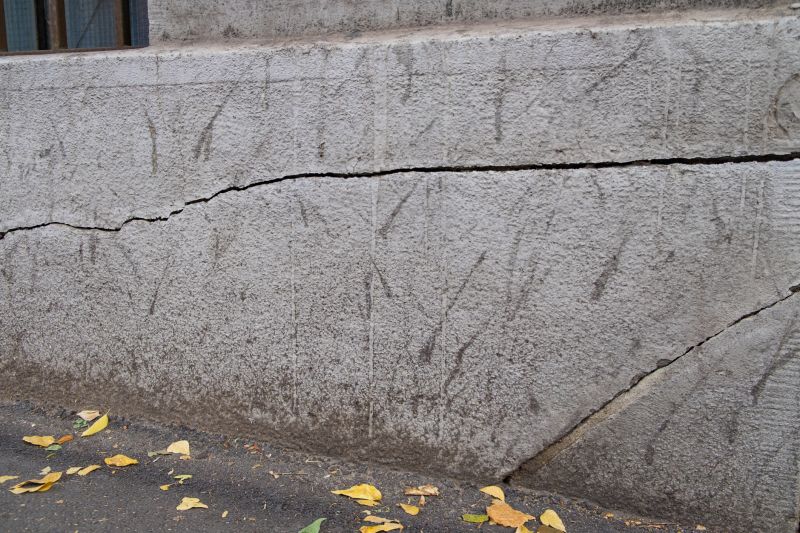
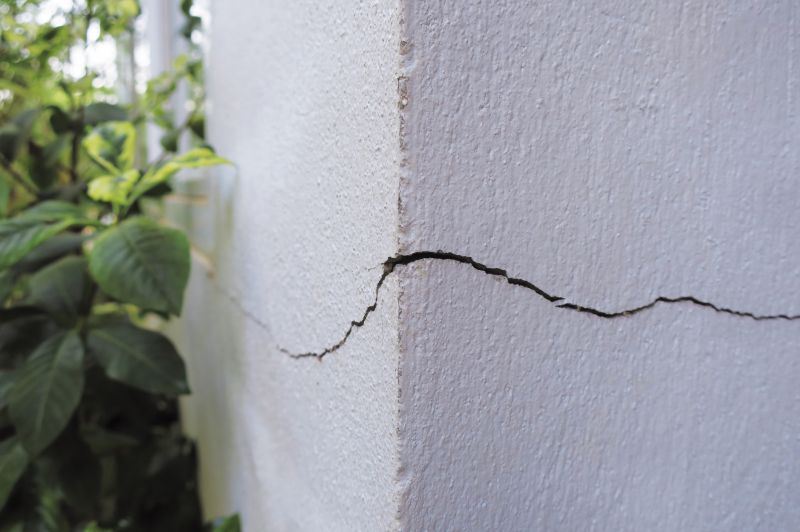
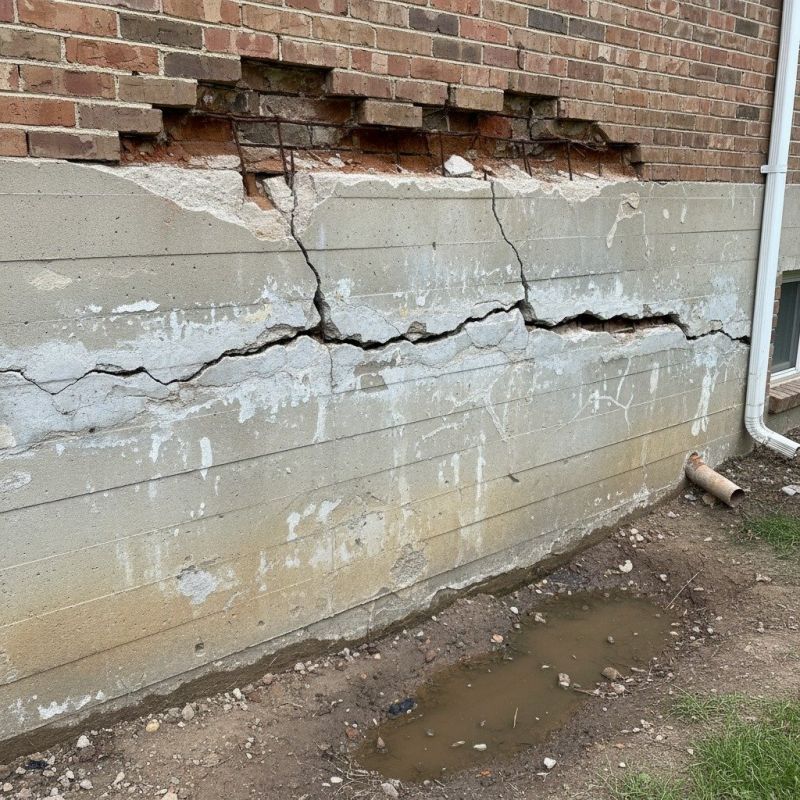
When homeowners search for information about cracks in concrete foundations, they often want to understand how these issues might impact the overall stability of their property. Cracks can appear in various parts of a foundation, from basement walls to slab floors, and can range from minor surface imperfections to more significant structural concerns. People are typically concerned about whether these cracks could lead to more serious problems like shifting, settling, or even foundation failure. Understanding the root causes of these cracks and their potential effects helps homeowners decide when professional assessment and repair are necessary to maintain the safety and value of their home.
Cracks in concrete foundations are commonly linked to a variety of problems that can influence a property's structural integrity. For example, soil movement-due to moisture fluctuations, poor drainage, or shifting ground-can exert pressure on the foundation, causing cracks to develop. Over time, these cracks may widen or deepen, which can compromise the support system of the home. In some cases, foundation cracks are signs of ongoing settlement or structural stress, which may require intervention to prevent further damage. Homeowners often relate this topic to plans for repairs or reinforcement, especially if they notice cracks that are expanding or accompanied by other issues like uneven floors or sticking doors and windows.
The types of properties that typically come up in discussions about cracks in concrete foundations include both residential homes and small commercial buildings. Single-family houses are most common, especially those built on expansive or poorly drained soil. Basement foundations are frequently examined because they are more exposed and accessible for inspection. Additionally, properties with older construction or those experiencing recent ground movement tend to be more prone to foundation cracks. Homeowners with properties in areas prone to droughts, heavy rains, or shifting ground often seek information on how cracks might affect their property's stability and what steps local service providers can take to address these concerns.
Understanding how cracks in concrete foundations affect structural stability helps homeowners recognize when professional help is needed. Local contractors specializing in foundation repair can evaluate the severity of cracks, determine whether they are purely cosmetic or indicative of deeper issues, and recommend appropriate solutions. Repair methods may include sealing cracks, underpinning, or installing reinforcement systems to restore stability. By connecting with experienced service providers, homeowners can ensure that foundation issues are addressed promptly and effectively, helping to preserve the safety and longevity of their property. This proactive approach is essential for maintaining a solid, stable foundation and avoiding costly repairs down the line.
Foundation Inspection Services - Professionals who perform detailed assessments of concrete foundations can identify cracks and evaluate their impact on structural stability.
Concrete Repair and Restoration - Local contractors skilled in repairing cracked concrete foundations can help restore stability and prevent further damage.
Structural Reinforcement Projects - Experts in reinforcing existing structures address issues caused by cracks, enhancing the overall stability of the foundation.
Drainage and Waterproofing Services - Proper drainage solutions and waterproofing can mitigate foundation cracks related to moisture issues affecting stability.
Soil Stabilization and Groundwork - Specialists in soil preparation can prevent cracks caused by shifting or settling, supporting foundation integrity.
Concrete Lifting and Leveling - Lifting services can correct uneven foundations and reduce stress that leads to cracks impacting structural stability.
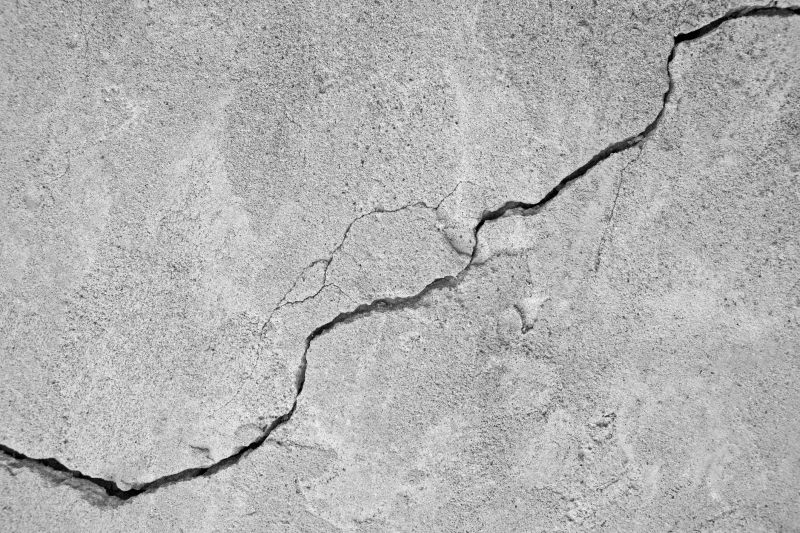
When comparing service providers for concrete foundation crack repair, it is important to consider their experience with similar projects. Homeowners should inquire about how long a contractor has been working with foundation repairs and whether they have handled cracks of comparable size and severity. An experienced contractor will understand the nuances of how cracks in concrete foundations can impact structural stability and will be better equipped to assess the specific needs of the repair. This familiarity can help ensure that the chosen service provider has the necessary skills to address the underlying issues effectively and prevent future problems.
Clear, written expectations are essential when evaluating local contractors for foundation crack repair. Homeowners should seek detailed descriptions of the scope of work, the methods to be used, and the materials involved. Having this information in writing helps establish a mutual understanding of what the repair will entail and provides a basis for evaluating the quality of the work. It also allows homeowners to compare proposals more accurately, ensuring that each contractor’s approach aligns with the specific concerns about how cracks in concrete foundations affect structural stability.
Reputable references and good communication are key factors in selecting a reliable service provider. Homeowners are encouraged to ask contractors for references from previous clients who had similar foundation issues. Speaking with past customers can provide insight into the contractor’s professionalism, workmanship, and ability to deliver on promises. Additionally, effective communication-such as prompt responses to questions and clear explanations of repair options-helps ensure that homeowners feel informed and confident throughout the process. These qualities contribute to a smoother repair experience and a higher likelihood of successful, long-lasting results.
Property owners often search for how cracks in concrete foundations affect structural stability when they are planning practical projects around their homes and businesses. Local pros provide Concrete Foundation Crack Repair services for everyday jobs and straightforward project options.
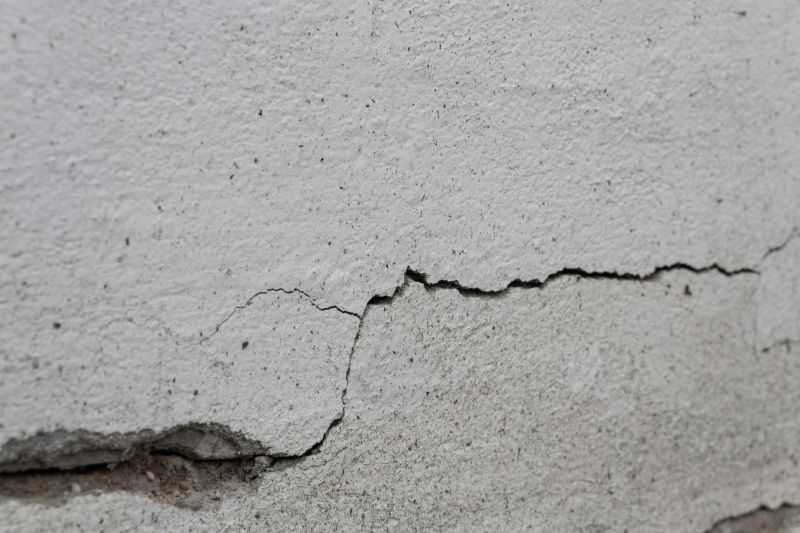
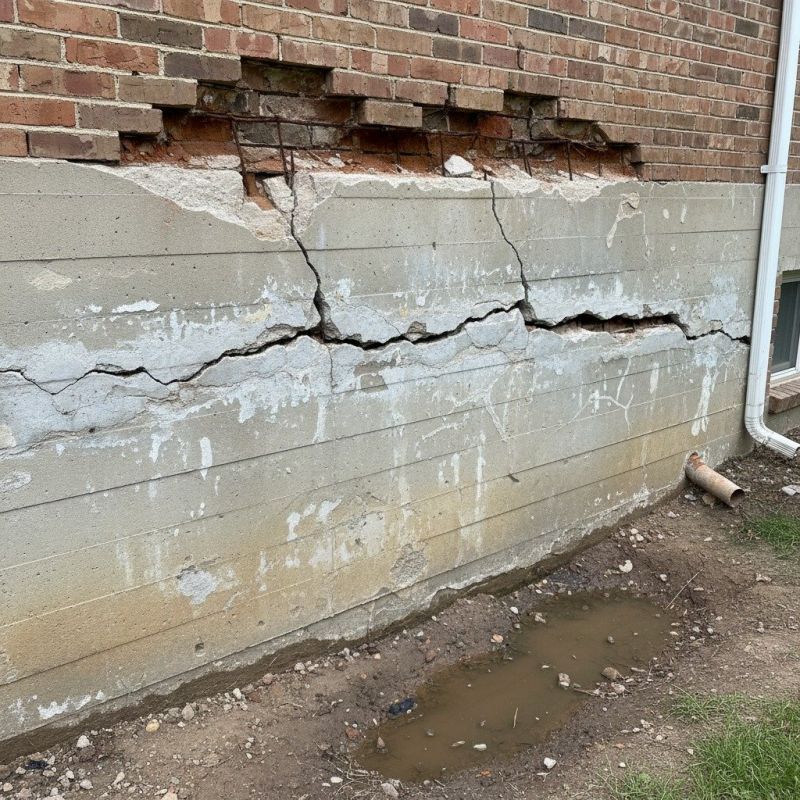
Cracks in concrete foundations are a common concern for property owners who notice uneven floors, sticking doors, or visible fractures in their basement walls. These issues can be more than just cosmetic; they may indicate underlying problems that compromise the overall stability of a structure. When cracks develop, especially if they widen or appear suddenly, they can weaken the foundation’s ability to support the building, potentially leading to more serious damage over time. Homeowners in the area often seek out local contractors experienced in foundation repair to assess the severity of these cracks and determine whether repair or reinforcement is needed to maintain the property's safety and integrity.
Understanding how cracks in concrete foundations affect structural stability is essential for property owners aiming to protect their investment. Small, hairline cracks might not be urgent, but larger or growing fissures could signal shifting or settling that needs prompt attention. Local service providers who specialize in foundation crack repair can evaluate the condition of the concrete and recommend appropriate solutions, such as sealing cracks or installing reinforcement systems. Addressing these issues early can help prevent further damage and ensure the long-term stability of the building.
How do cracks in concrete foundations affect structural stability? Cracks can weaken the integrity of a foundation, potentially leading to uneven settling or further damage that compromises the overall stability of a building. Local contractors experienced in foundation repair can assess the severity of cracks and recommend appropriate solutions to maintain stability.
Can small cracks in a concrete foundation impact structural safety? Yes, even small cracks can indicate underlying issues that may affect the foundation's stability over time. Professional service providers can evaluate whether repairs are needed to prevent future problems and ensure the structure remains secure.
What types of cracks are most concerning for foundation stability? Vertical or diagonal cracks that are wide or growing rapidly are often more concerning, as they can suggest shifting or settling. Local foundation repair specialists can identify these signs and determine the best repair approach.
How do cracks in concrete foundations typically get repaired? Repairs often involve sealing cracks, injecting epoxy or polyurethane, or installing reinforcement to restore stability. Experienced contractors can recommend the most effective method based on the crack's size and location.
What role do local contractors play in maintaining foundation stability? Local service providers can inspect foundation cracks, diagnose their causes, and perform necessary repairs to help preserve the structural integrity of a property. Connecting with these professionals ensures that cracks are properly managed to prevent further damage.
Assessing foundation cracks - Property owners can evaluate visible cracks to determine if they are worsening, indicating the need for professional repair services.
Monitoring structural shifts - Noticing uneven floors or door/frame misalignments can help identify how cracks in concrete foundations affect overall stability.
Planning repair projects - Understanding the impact of foundation cracks can guide property owners in scheduling repairs with local contractors to prevent further damage.
Preventing future issues - Recognizing signs of foundation stress encourages timely consultation with service providers to address cracks before they compromise structural integrity.
If you are thinking about how cracks in concrete foundations affect structural stability for a property, this guide is meant to help you understand this topic, the typical project types, and how different options might fit your plans.
When you are ready, you can use the quote form on this page to share a few details about your project. From there, local pros can review the basics and follow up with options that match what you have in mind.